Books Design Illustrations Vector: Your All-in-One Creative Asset
Every designer, publisher, and content creator knows the challenge: finding a versatile visual asset that works across multiple projects without feeling repetitive or generic. Books Design Illustrations Vector solves this problem by offering a cohesive collection of book-themed illustrations in formats that adapt to virtually any workflow. Whether you're designing a children's book cover, building a library's social media presence, or creating packaging for a bookstore, this collection provides the flexibility and quality that professional projects demand.
What Makes This Vector Collection Stand Out
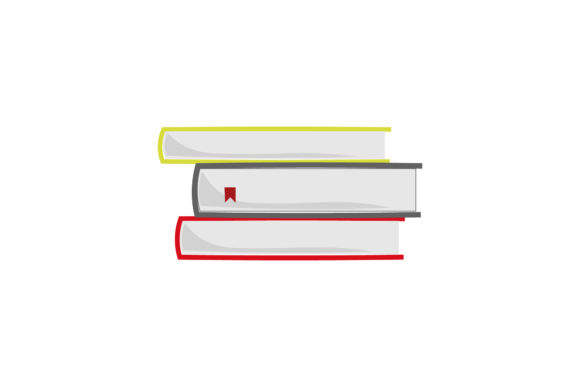
At its core, Books Design Illustrations Vector is a curated set of scalable graphics depicting books, reading scenes, and literary motifs. The illustrations carry a warm, inviting personality—think cozy reading nooks, stacked vintage volumes, and whimsical characters lost in stories. The style balances between hand-drawn charm and clean digital execution, making it approachable enough for children's projects yet polished enough for corporate publishing brands.
What sets this collection apart from generic stock graphics is its attention to visual consistency. Each illustration shares a unified color palette, line weight, and compositional approach. This means you can use multiple pieces from the set without worrying about clashing styles. The overall appeal leans toward storytelling and intellectual curiosity—qualities that resonate with book lovers, educators, and anyone in the literary world.
The illustrations avoid overly trendy aesthetics that would date quickly. Instead, they embrace a timeless quality that feels both contemporary and enduring. This is particularly valuable for brands that need their visual identity to last beyond a single season.
File Formats That Actually Work for Real Projects
One of the most practical aspects of this collection is its availability in six formats: AI, EPS, SVG, DXF, JPG, and PNG. This isn't just a marketing checklist—it directly impacts how you'll use the assets in your day-to-day work.
The AI and EPS files are essential for designers working in Adobe Illustrator or similar vector editing software. These formats preserve every anchor point, allowing complete customization of colors, shapes, and proportions. If you need to match a client's brand colors or adjust an illustration's composition, these files make it straightforward.
SVG files have become indispensable for web designers and app developers. They scale perfectly on any screen resolution, load faster than raster images, and can be manipulated with CSS. For anyone building a website for a bookstore, literary magazine, or reading app, SVG format is non-negotiable.
The DXF format serves a different but equally important audience: crafters and makers. If you use a Cricut or Silhouette cutting machine to create book-themed stickers, vinyl decals, paper crafts, or signage, DXF files integrate directly with your cutting software. This bridges the gap between digital design and physical products.
Finally, the JPG and PNG versions at 1920 x 1280 pixels provide ready-to-use options for quick projects. The PNG files with transparent backgrounds are particularly useful for layering illustrations over photos or colored backgrounds in social media graphics, presentations, or blog headers.
Where These Illustrations Shine in Practice
The applications for Books Design Illustrations Vector span an impressive range. Here's where I've seen similar assets deliver the most value:
Publishing and Editorial Design: Book covers, chapter headers, magazine illustrations, and interior layouts for literary publications. The illustrations work beautifully as decorative elements that reinforce a reading-focused theme without overwhelming the typography.
Branding and Identity: Independent bookstores, libraries, reading apps, educational platforms, and literary event organizers can build entire visual identities around these illustrations. They function as supporting graphics that strengthen brand identity without competing with logos or primary messaging.
Marketing and Social Media: Instagram posts, Pinterest pins, Facebook ads, email headers, and newsletter graphics benefit enormously from eye-catching book imagery. The vector format ensures your graphics look crisp whether they're displayed as tiny thumbnails or full-screen hero images.
Packaging Design: Book-themed merchandise—tote bags, bookmarks, mugs, stationery sets—becomes far more appealing with professional illustrations. The packaging design possibilities extend to subscription box branding, gift wrapping, and retail displays.
Web Design and Digital Products: Landing pages, course platforms, and digital downloads gain visual richness through thoughtfully placed illustrations. The SVG format ensures fast loading times and sharp rendering across devices.
Personal and Craft Projects: Scrapbooking, handmade greeting cards, wall art prints, and classroom decorations are all natural fits. The DXF format specifically opens doors for vinyl cutting, laser engraving, and other maker applications.
Working with the Collection: Practical Considerations
Before incorporating any design assets into your workflow, a few practical steps will save time and prevent headaches down the road.
Evaluate Fit Before Committing: Review the entire collection to ensure the illustration style aligns with your project's tone. A whimsical, hand-drawn aesthetic works wonderfully for a children's reading program but might feel out of place for a law firm's library branding. The collection's personality should complement—not conflict with—your existing visual language.
Test Across Contexts: Place illustrations at different sizes alongside your existing typography, colors, and imagery. An illustration that looks perfect at full size might lose clarity as a small icon. The 1920 x 1280 canvas size gives you ample resolution for large-format applications, but always verify how elements read at reduced scales.
Customize with Intention: The vector formats invite experimentation, but resist the urge to modify everything. Sometimes a simple color adjustment to match your brand identity is all that's needed. Over-customization can strip away the cohesion that makes the collection valuable in the first place.
Consider Font Pairings Carefully: If you're combining these illustrations with typography, choose typefaces that echo the collection's warmth and approachability. A friendly sans serif font or a classic serif font typically pairs well without creating visual tension. Avoid overly ornate script fonts or aggressive display typefaces that might compete with the illustrations for attention.
Respect the License: This is a commercial font and illustration collection, meaning you can use it in client work, products for sale, and business materials. However, redistribution of the raw files is prohibited. If you're a designer creating assets for clients, you can incorporate the illustrations into deliverables—just don't hand over the original source files as a standalone product.
Building a Cohesive Visual System
The real power of Books Design Illustrations Vector emerges when you treat it as part of a larger visual system rather than isolated clip art. Establish rules for how and where illustrations appear across your touchpoints. Maybe they serve as section dividers in your editorial design, background elements in your social media graphics, or hero images on your website. Consistency in application creates recognition, and recognition builds trust with your audience.
Pair the illustrations with a limited color palette drawn from the collection itself. This creates an instant sense of unity across everything you produce. When your blog post graphics, email templates, and print materials all share the same visual DNA, your audience begins to associate that aesthetic with your brand—exactly how strong visual hierarchy and brand perception should work.
For content creators and bloggers in the literary space, these illustrations offer a shortcut to professional-looking graphics without commissioning custom artwork. The investment pays for itself quickly when you consider how many projects a single versatile collection can serve over months or years.
Ultimately, the value of any premium font or illustration collection lies in how much it simplifies your creative process while elevating your output. Books Design Illustrations Vector delivers on both fronts, giving you professional-quality, adaptable artwork that respects your time and enhances your work across every medium you touch.