Day of the Dead Mexico: Watercolor PNG for Vibrant Designs
Understanding the Visual Essence of This Digital Asset
There is a specific kind of energy that comes with Day of the Dead Mexico artwork. It is a celebration of life, memory, and color that transcends simple illustration. When you combine this cultural richness with the organic texture of watercolor, you get something truly special for your design toolkit. This particular digital asset, a PNG file, captures the spirit of the holiday with a hand-painted aesthetic that feels both authentic and accessible. It is not just a picture; it is a mood enhancer for your creative projects.
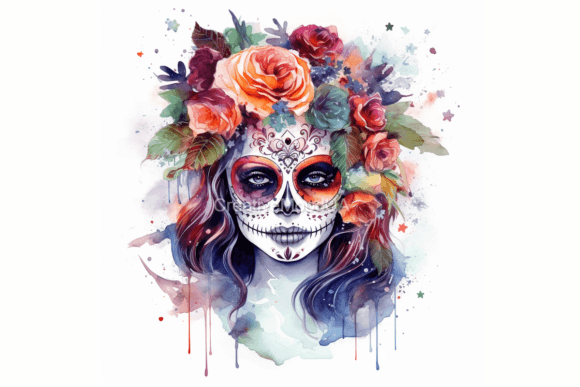
The visual characteristics of this watercolor PNG are defined by its vibrant palette and intricate details. You will notice the bold use of marigolds, deep purples, and striking blues, all rendered with the fluid, slightly unpredictable strokes that only watercolor can achieve. The personality of the piece is joyful and respectful, avoiding the macabre and instead focusing on the celebratory nature of the tradition. The style is a blend of folk art and modern illustration, making it versatile enough for various applications without losing its cultural roots. The overall appeal lies in its ability to add instant warmth and a human touch to any digital or print project.
Where This Watercolor PNG Shines in Real Projects
As a designer or creative professional, you are always looking for assets that offer flexibility. This Day of the Dead Mexico. Watercolor. PNG file, with its 300 dpi resolution and transparent background, is built for practical use. The manually removed background is a critical detail. It means you can drop this illustration onto any surface—a dark website header, a kraft paper texture, a solid color block—and it will integrate seamlessly. There is no need to spend time masking edges or dealing with awkward white halos. This saves you valuable production time, especially when working on tight deadlines.
Consider the range of projects where this asset can elevate your work. For packaging design, it can become the centerpiece of a limited-edition product, adding a layer of cultural storytelling. In editorial design, it serves as a compelling featured image for articles about culture, travel, or art. For entrepreneurs and small business owners, it is a powerful tool for creating eye-catching social media graphics that stand out in a crowded feed. The 7x7 inch size at 300 dpi means you have ample resolution for most print applications, from postcards and posters to t-shirts and tote bags. You can easily resize it smaller without quality loss, and even scale it up moderately for larger prints if you are mindful of the viewing distance.
Integrating the Art into Your Brand Identity
Using a distinctive visual element like this watercolor PNG can significantly influence your brand perception. It signals a brand that values artistry, cultural appreciation, and a touch of handmade authenticity. This is not a sterile, corporate graphic. It has personality. When used consistently—for example, as a recurring motif in your seasonal marketing or as a foundational element in a brand pattern—it helps build recognition. Your audience will start to associate these vibrant colors and celebratory symbols with your unique voice.
However, successful integration requires thought. This type of illustration works best as a supporting character in your brand identity, not necessarily the logo itself (unless your brand is directly related to the holiday or Mexican folk art). Think of it as a key part of your visual language. Pair it with clean, modern typography—a good sans serif font for body text or a complementary serif font for headlines—to create balance. The watercolor provides the organic texture and color; your typography should provide clarity and structure. This contrast is what creates a professional and engaging visual hierarchy.
Practical Guidance for Using Your New Design Asset
Before you start, you need the right tools. As noted, a design or editing program that supports PNG files with transparency is essential. Adobe Photoshop, Illustrator, Affinity Photo, or even free tools like GIMP or Canva (Pro) will work. Simply import the file, and you are ready to build your composition. Because the background is transparent, layering is straightforward. Place it over other elements, adjust the blending modes for interesting effects, or use it as a standalone focal point.
When evaluating project fit, ask yourself a few questions. Does the tone of my project align with the celebratory and artistic nature of this illustration? Is my target audience likely to appreciate or connect with Day of the Dead imagery? If you are using it for commercial purposes, like on products for sale, the license provided with your purchase is key. This particular asset comes with a license that typically allows for such use, but always double-check the specific terms to ensure you are compliant, especially for large-scale distribution.
Testing is a critical step. Before finalizing a design, see how the PNG interacts with your chosen color scheme and font pairing. Does it clash or harmonize? Does it distract from your message or enhance it? Sometimes, desaturating the illustration slightly or applying a subtle color overlay can help it blend better with a more muted brand palette. Other times, you want its full vibrancy to take center stage. The transparency of the background gives you this control. You can also use clipping masks to contain the watercolor effect within shapes or text for a more integrated typographic effect, creating a unique display font treatment for headlines.
Finally, think about consistency. If you are building a series of materials—say, a set of social media posts for a month or a collection of printed items—use this PNG as a consistent visual thread. Maybe it appears in the corner of each graphic, or as a repeated pattern. This creates cohesion across your project, making it feel polished and intentional. The goal is to use this beautiful design asset not just as a one-off decoration, but as a thoughtful component of your larger creative vision, adding that promised mood and bright colors to your audience's experience.