Valentine Journaling Illustrations: Crafting with Heart
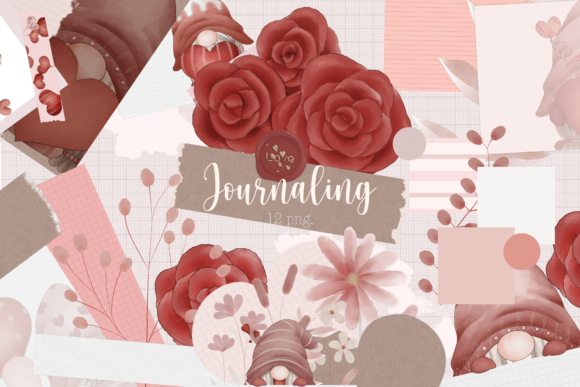
When you open a fresh journal or a new planner, the blank page holds a certain promise. For many of us, that promise is fulfilled when we add a personal touch—something that turns a simple notebook into a keepsake. This is where Valentine Journaling Illustrations come into play. They are more than just digital files; they are small, handcrafted pieces of art designed to infuse your projects with warmth, romance, and a deeply personal aesthetic. Whether you are a seasoned designer working on a client’s brand or a hobbyist creating a gift for a loved one, these illustrations offer a versatile toolkit for expressing affection.
Understanding the Aesthetic and Utility
At first glance, the appeal of this collection lies in its specific visual language. You are receiving 12 PNG files with transparent backgrounds, rendered at a crisp 300 DPI. This technical specification is crucial for anyone involved in print media or high-resolution digital design. A transparent background means these assets are ready to be dropped onto any surface—be it a textured paper background for a digital journal, a solid color for a website header, or a physical sticker sheet. The 300 DPI resolution ensures that when you scale these images for printing, they retain their sharpness and detail, avoiding the pixelation that often plagues lower-quality design assets.
The style of Valentine Journaling Illustrations typically bridges the gap between modern typography trends and classic romantic motifs. Think of the delicate balance required in editorial design or packaging design: you need elements that feel premium but accessible. These illustrations likely feature a mix of line art, soft textures, and perhaps hand-lettered elements that mimic the organic feel of a script font or handwritten font. This personality makes them distinct from the rigid geometry of a sans serif font or the traditional authority of a serif font. Instead, they carry the spontaneous energy of a creative font, perfect for projects that need to feel human and approachable.
Strategic Applications for Designers and Creators
For the entrepreneur or small business owner, integrating these assets into your brand identity requires a thoughtful approach. While they are perfect for the Valentine’s season, their utility extends far beyond February 14th. Consider how you might use them in your social media graphics to promote a flash sale or a "customer appreciation" event. The warmth of these illustrations can soften the hard edges of a sales pitch, making your marketing feel more like a conversation than a transaction.
In the realm of web design and digital products, visual hierarchy is king. Using Valentine Journaling Illustrations as spot illustrations can break up long blocks of text, guiding the reader's eye and providing a moment of visual rest. If you are a blogger or a content creator, these images can serve as thematic anchors for your posts about relationships, self-care, or lifestyle topics. They function much like a display font—catching the eye and setting the mood immediately.
For those in the physical product space, such as crafters or stationery designers, these assets are invaluable. Imagine using them to create custom washi tape, planner stickers, or greeting cards. Because they are provided as separate PNGs, you have the flexibility to arrange them in any composition. You can layer them with text, overlap them to create depth, or use them as standalone focal points. This flexibility is something you rarely get with a standard premium font, which is often limited to character sets.
Mastering Font Pairings and Visual Harmony
One of the most critical skills in design is font pairing—the art of combining different typefaces to create a harmonious visual experience. Valentine Journaling Illustrations act as a visual bridge in these pairings. If you are working with a bold, geometric modern typography style for your headers, the organic nature of these illustrations can soften the overall look, preventing the design from feeling too sterile or corporate.
Conversely, if your project relies heavily on a script font or a handwritten font, these illustrations can reinforce that personal touch without overwhelming the text. The key is to treat these illustrations as you would a typeface: look at their weight, their texture, and their "voice." Do they speak the same language as your chosen font? For instance, pairing a rough, textured illustration with a sleek, glossy sans serif font might create a jarring contrast, whereas pairing it with a textured, vintage-style serif could create a cohesive, nostalgic atmosphere.
Practical Considerations for Project Fit
Before committing to using Valentine Journaling Illustrations in a commercial project, it is wise to evaluate the specific context. While the files are high-quality assets, the color display can vary across different computer monitors. This is a standard caveat in digital design, but it is particularly relevant when dealing with pastel or soft color palettes common in Valentine-themed work. Always test your final output on multiple screens if color accuracy is paramount, especially for logo design or critical brand elements.
Furthermore, consider the scalability of the illustrations. While 300 DPI is excellent for print, the physical dimensions of the original file matter. If you plan to blow up a small illustration for a large-format banner or poster, you may need to check for artifacts. However, for their intended use—journaling, sticker making, and digital planning—they are optimized perfectly. They are designed to sit alongside text, not necessarily to dominate a billboard. This distinction is vital for maintaining professionalism and readability in your final design.
Ultimately, the value of a resource like Valentine Journaling Illustrations lies in its ability to spark creativity. It provides a shortcut to a specific aesthetic—romantic, handmade, and thoughtful—allowing you to focus on the larger narrative of your project. Whether you are designing a wedding invitation suite, a series of social media posts for a boutique, or simply embellishing your own personal diary, these assets offer a reliable way to add a layer of emotional resonance to your work. They are not just images; they are tools for storytelling.